
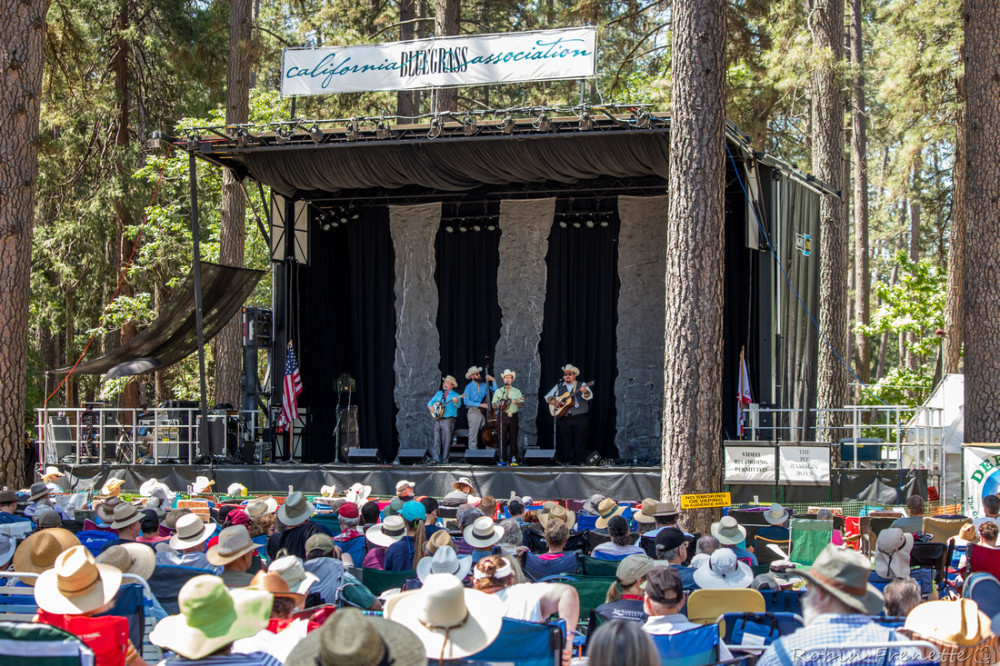
It’s so encouraging to see Patrick Campbell’s recent headline on the CBA pages: “Live Music is BACK!” Playing music with other people in the same space has attained the status of an endangered species for over a year now, and we can but hope and pray that things will improve during the summer months. The lockdown has certainly been a time for reflection. Way back in the last century the English composer Benjamin Britten was also concerned about the threat to live music, but for a different reason. This was at the time of the invention and development of the LP record. Britten thought that the domestic record player or stereo would encourage people to stay at home to listen to music from the comfort of their armchairs rather than go out to attend concerts and other live performances. A side effect of the Covid lockdown has been to remind us of the vital importance of musical get-togethers and performances, for both audiences and musicians.
Recently BBC Television re-ran a programme from some years back about Ronnie Scott, the well-known jazz tenor saxophonist who was born in London and lived most of his life there. Ronnie Scott was a world class musician with a distinguished record of appearances with big name bands, and you can read about his musical career on Wikipedia. However, he is probably even better known as the founder of Ronnie Scott’s jazz club in London. Live music was what Ronnie Scott lived for. His ambition was to provide a venue where visiting musicians could just turn up and play. It soon became an essential stopping-off point for touring bands and soloists. Many of the visiting musicians were soloists travelling without their own rhythm section or were touring as members of larger bands, so they often used the house band to accompany them. Many live albums were recorded at Ronnie Scott’s by name artists, beginning with Tubby Hayes in 1963. Ronnie Scott died in 1996 at the age of 69, but his club has continued to be a ‘name’ music venue in London to this day.
It is impressive that such a high-flying musician in his own right also had the vision to run a venue for live music and to attract so many world-famous players to drop in for the entertainment of anyone who walked into the club off the street. Jazz lovers from around the world have heard of “Ronnie Scott’s” and many have visited, but it seems that the club had to navigate difficult financial waters for many years, and at times had to face the prospect of imminent closure through lack of funding. The fundamental driving force was that Ronnie Scott loved live music and it was his prime aim in life to play it and promote it. It is particularly saddening to know that in his later years he received some poor dental treatment which ruined his embouchure and prevented him from continuing to play the saxophone. He subsequently suffered serious depression, which many people thought was precipitated by his frustration at not being able to play, and he died not long afterwards.
During the Covid lockdown the internet has been invaluable in providing us with recordings of ‘live’ music on the screen and through speakers. Great ingenuity has been used to create online jam sessions, linking musicians though electronic and digital wizardry. And there are more and more videos of live appearances available, many of them stretching back over the decades. I have particularly enjoyed seeing the Greenbriar Boys on Rainbow Quest with Pete Seeger back in the mid-1960s. ‘Ragged But Right’ has always been in my Top Ten list of bluegrass records, but seeing the Greenbriar Boys perform gives an added dimension to their music. I’m reminded that the careers of so many of the bluegrass greats, from Bill Monroe onwards, were built on a foundation of live shows and touring. YouTube and its like have brought recordings of live performances into the homes of people around the world, but it’s high time that musicians should be able to get out and play their stuff ‘for real’ in jam sessions, clubs and concerts and at festivals. We may have to wait a little longer in some countries, but everyone is now waiting for the day when we can all get back to picking and singing together, just like we used to!
